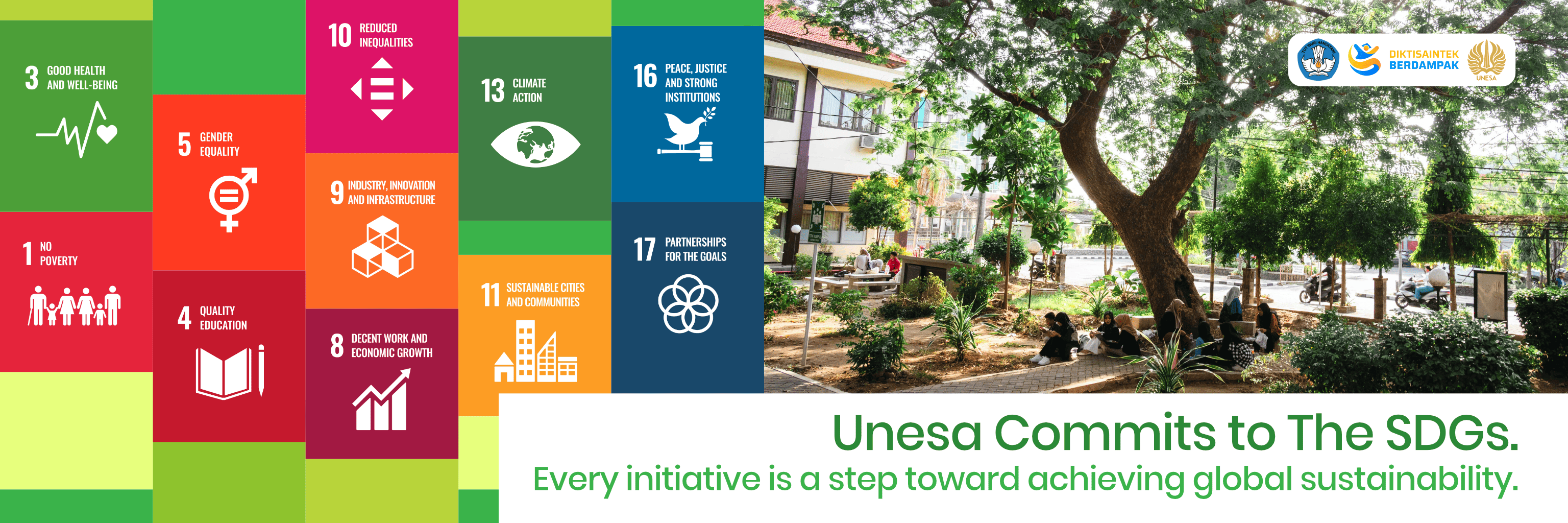
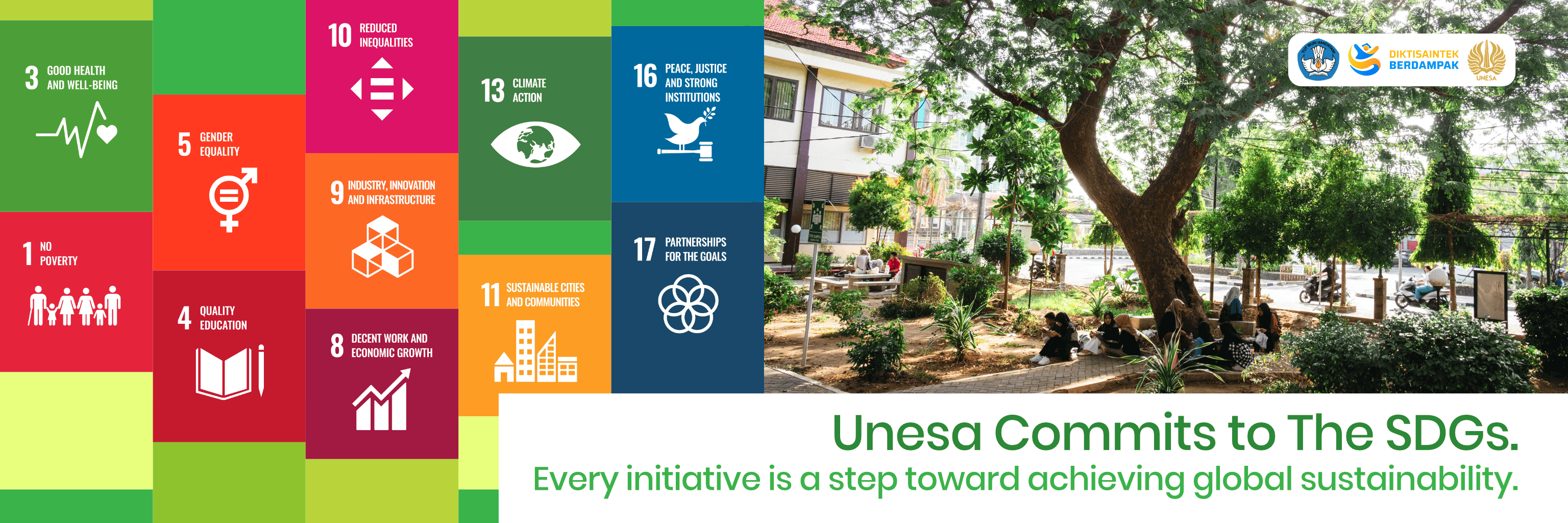
Overview of the SDGs 17 Points
Visual summary & brief explanation of each SDG goal.
Learn More
Learn More


Efforts to reduce poverty both for society and university communities such as students.
See more »
Efforts to reduce hunger, achieve food security, improve nutrition, and promote sustainable agriculture.
See more »
Focus on health facilities and community services in and around the university.
See more »
Inclusive and equitable education and promotion of lifelong learning opportunities for all.
See more »
Achieve gender equality and empower all women and girls.
See more »
Ensure access to clean water and sanitation.
See more »
Ensure access to affordable, reliable, sustainable and modern energy.
See more »
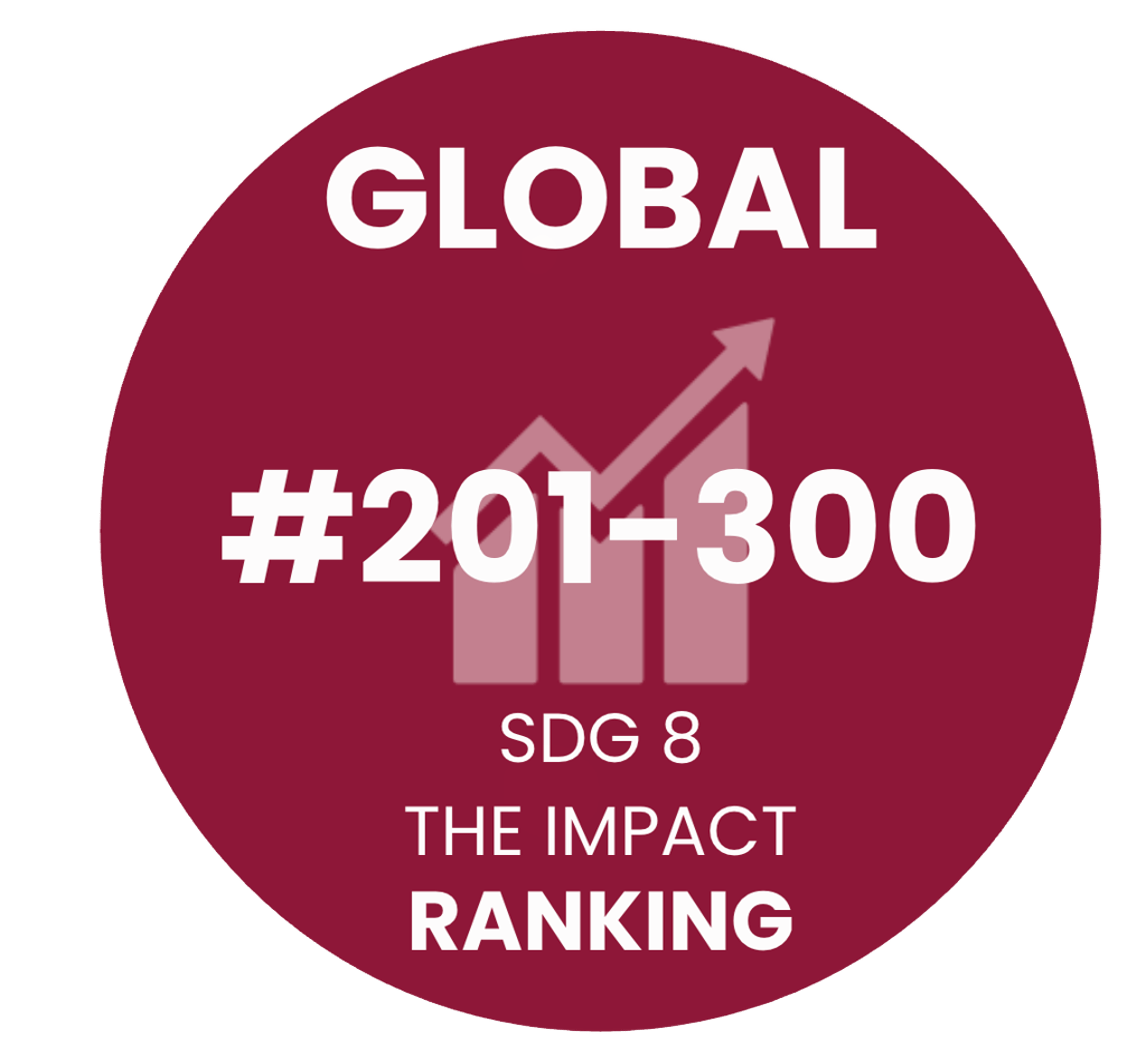
Promote sustained, inclusive and sustainable economic growth and decent work.
See more »
Build resilient infrastructure, promote inclusive and sustainable industrialization and foster innovation.
See more »
Reduce inequality within and among countries.
See more »
Make cities inclusive, safe, resilient and sustainable.
See more »
Ensure sustainable consumption and production patterns.
See more »
Take urgent action to combat climate change and its impacts.
See more »
Conserve and sustainably use the oceans, seas, and marine resources.
See more »
Protect, restore and promote sustainable use of terrestrial ecosystems.
See more »
Promote peaceful and inclusive societies, access to justice, and strong institutions.
See more »
Strengthen partnerships to support the achievement of the SDGs.
See more »
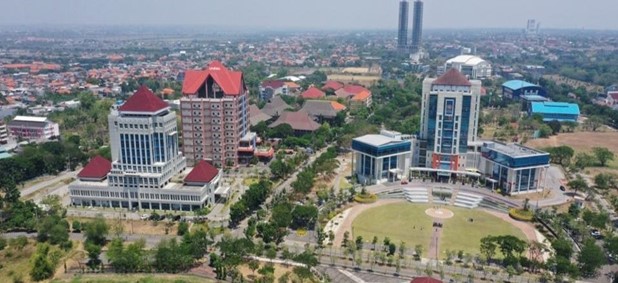
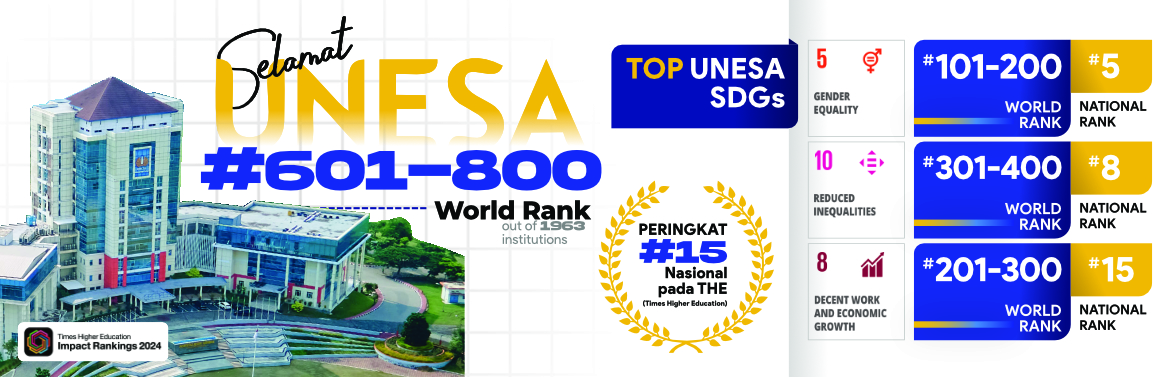
UNESA's commitment to SDGs through sustainability programs and academic initiatives.
See more »
Energy & Climate Change
UNESA supports green campus initiatives.
Transport
Promoting eco-friendly mobility on campus.
Infrastructure
Sustainable building and facility planning.
Water Resources
Efficient water usage across campus.

Education
Inclusive, quality education for all.
Waste Management
Recycling and responsible waste reduction.
ikom.fisipol.unesa.ac.id., JAKARTA—Mastering special skills and having internship experience is now a necessity for students to be ready to compete in the world of work. This was experienced by Nur Sabrina Dewi Basir, a UNESA Communication Scien
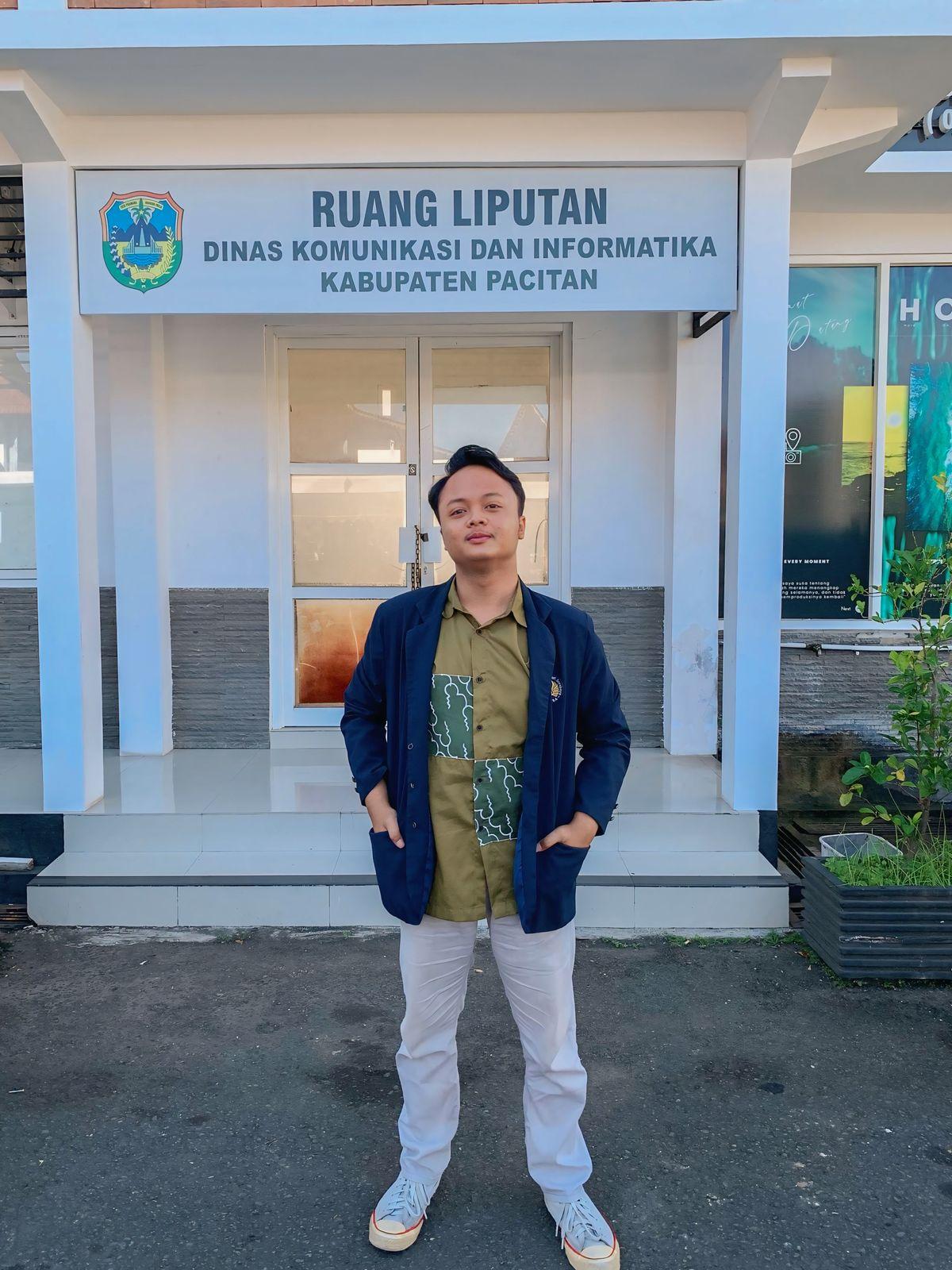
ikom.fisipol.unesa.ac.id, PACITAN - Communication Science student class of 2022, Pandu Aswadana, had the opportunity to take part in an internship program at the Pacitan Regency Communication and Informatics Service (Diskominfo), from 3 February t
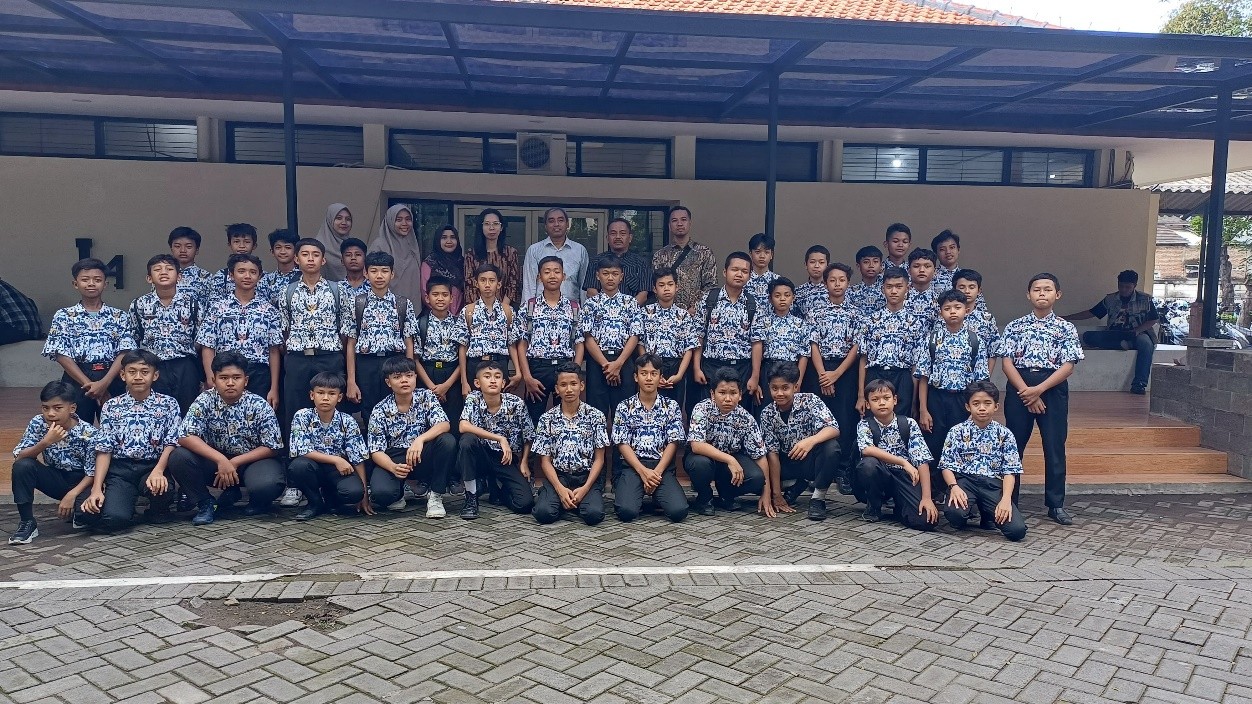
Geographic Education FISIPOL UNESA received a student visit and Teacher of Sidoarjo Cendekia Middle School (ICM). Participants visited 50 students with 3 teachers. During the visit, the delivery of material was held by Geography lecturers related
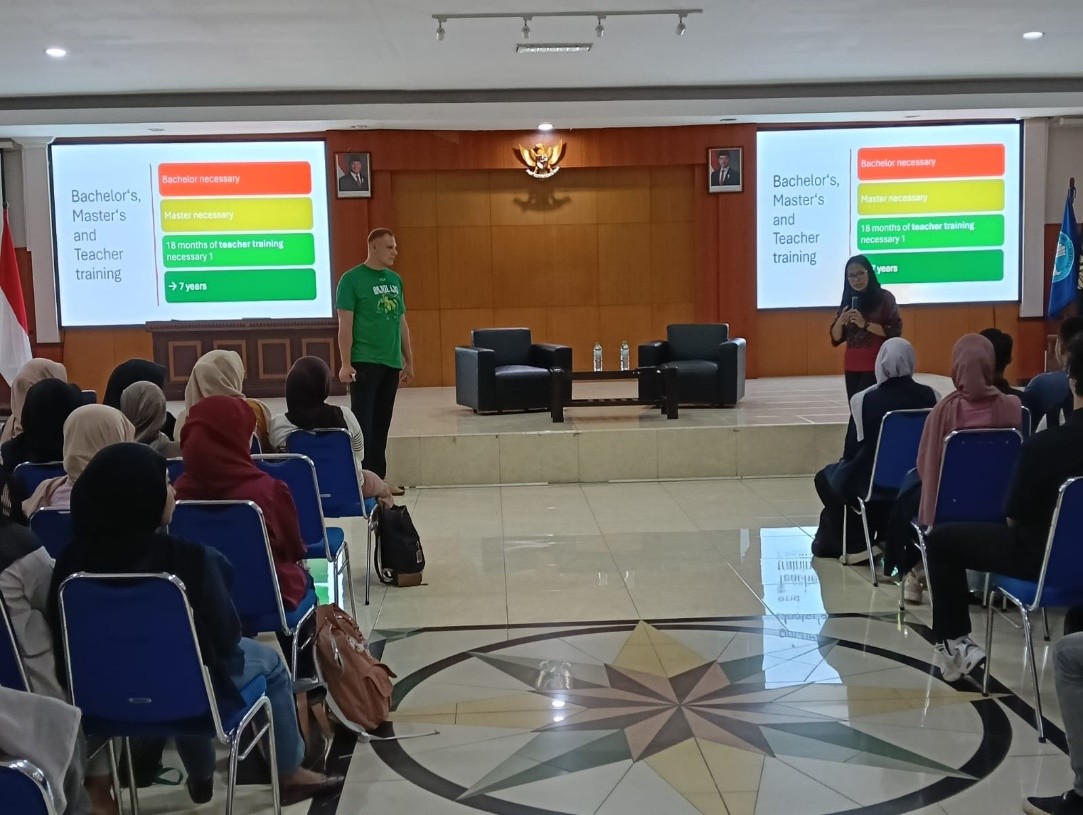
On May 14th, the Geography Education Study Program held a guest lecture on the topic of Education. The speaker was Leon Schwemmer from Bielefeld University, Germany. His visit to Surabaya State University was part of a research project for his mas